
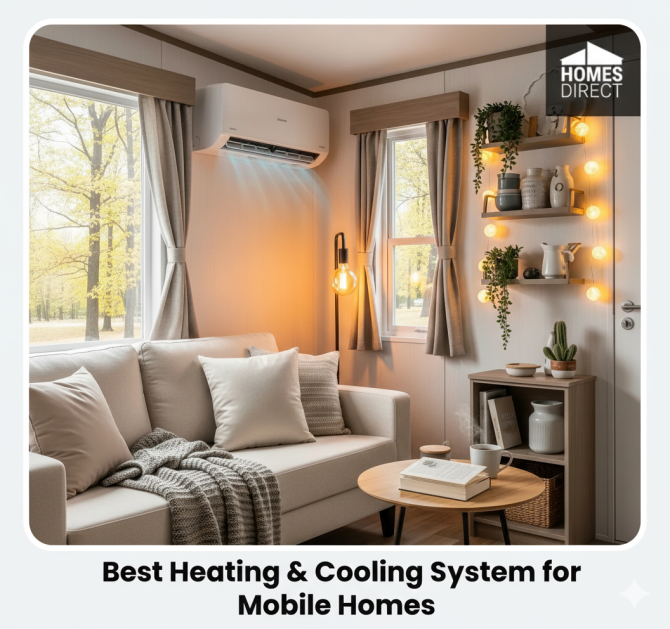
Choosing the right heating and cooling system for mobile homes is crucial for ensuring comfort and energy efficiency. Mobile homes have unique structural characteristics that influence HVAC system performance, making it essential to understand the specific needs of these homes. This comprehensive guide will explore the best heating and cooling systems tailored for mobile homes, addressing common challenges and solutions.
Many mobile homeowners face issues such as inadequate insulation and space constraints, which can lead to inefficient heating and cooling. By understanding the available options, homeowners can make informed decisions that enhance comfort and reduce energy costs. This article will cover the unique HVAC needs of mobile homes, the best systems suited for them, key factors influencing system choice, installation and maintenance practices, and common questions regarding mobile home HVAC systems.
What Are the Unique HVAC Needs of Mobile and Manufactured Homes?
Mobile and manufactured homes have distinct HVAC requirements due to their construction and design. Understanding these needs is essential for selecting the right heating and cooling solutions.
How Do Mobile Home Structures Affect Heating and Cooling Choices?
The structure of mobile homes significantly impacts HVAC choices. Unlike traditional homes, mobile homes often have different insulation levels and ductwork configurations. For instance, many mobile homes utilize less insulation, which can lead to heat loss in winter and heat gain in summer. Additionally, the compact design of mobile homes can limit the space available for ductwork, necessitating alternative heating and cooling solutions such as ductless mini-splits or packaged units. These systems can provide efficient climate control without the need for extensive ductwork, making them ideal for mobile home applications.
What HUD Regulations Impact Mobile Home HVAC Systems?
The U.S. Department of Housing and Urban Development (HUD) sets specific regulations that govern the construction and installation of manufactured homes, including HVAC systems. These regulations ensure that systems meet safety and efficiency standards. Compliance with HUD standards is crucial for mobile homeowners, as it affects the choice of HVAC systems and their installation. Understanding these regulations helps homeowners select compliant systems that provide optimal performance and safety.
Indeed, the performance of HVAC systems in manufactured homes is a critical aspect of these regulatory requirements.
HVAC Performance in Energy Efficient Manufactured Homes
The construction and installation of these manufactured homes must meet requirements. HVAC performance in new current practice and energy efficient manufactured homes is a key area of focus.
Ventilation in US manufactured homes: Requirements, issues and recommendations, 2000
Which Heating and Cooling Systems Are Best Suited for Mobile Homes?
Selecting the right heating and cooling system is vital for mobile homeowners. Several options are particularly well-suited for the unique characteristics of mobile homes.
What Are the Benefits of Heat Pumps for Mobile Homes?

Heat pumps are an excellent choice for mobile homes due to their energy efficiency and dual functionality. They can provide both heating and cooling, making them versatile for year-round comfort. Heat pumps operate by transferring heat rather than generating it, which can lead to significant energy savings. Additionally, modern heat pumps have high SEER (Seasonal Energy Efficiency Ratio) and HSPF (Heating Seasonal Performance Factor) ratings, making them an environmentally friendly option that reduces energy costs.
Studies consistently highlight the substantial energy savings achieved by utilizing heat pumps for heating in mobile homes.
Mobile Home Heat Pump Energy Savings
This saving of using the heat pump for heating in mobile homes was found to be 30% to 50% compared to electric resistance heating. The study also discusses the energy savings of using heat pumps in low-income houses in a case study from North Carolina.
Assessment of Using Heat Pumps for Heating in Mobile Homes: A Case Study from North Carolina, 2009
How Do Furnaces Compare: Gas, Electric, and Oil Options?
When considering furnaces for mobile homes, homeowners typically have three options: gas, electric, and oil. Each type has its advantages and disadvantages:
- Gas Furnaces: Generally more efficient and cost-effective in areas with natural gas availability. They provide rapid heating but require proper ventilation and combustion air supply.
- Electric Furnaces: Easier to install and maintain, electric furnaces are ideal for areas without gas lines. However, they can be more expensive to operate in the long run.
- Oil Furnaces: While less common in mobile homes, oil furnaces can be effective in colder climates. They require regular maintenance and fuel delivery, which can be inconvenient
|
|
|
|
|
|
|
|

How Do Ductless Mini-Splits and Packaged Units Optimize Mobile Home Comfort?
Ductless mini-splits and packaged units are increasingly popular choices for mobile homes, offering unique advantages that enhance comfort and efficiency.
What Are the Advantages of Ductless Mini-Split Systems?

Ductless mini-split systems provide several benefits for mobile homeowners. They are space-saving, as they do not require ductwork, making them ideal for homes with limited space. Additionally, mini-splits offer zoned heating and cooling, allowing homeowners to control temperatures in individual rooms. This feature can lead to significant energy savings, as it enables users to heat or cool only the areas in use. Furthermore, modern mini-split systems are known for their quiet operation and high energy efficiency ratings.
When Are Packaged Units Ideal for Manufactured Homes?
Packaged units are another excellent option for mobile homes, particularly in regions with moderate climates. These all-in-one systems combine heating and cooling components into a single unit, simplifying installation and maintenance. Packaged units are ideal for homes with limited space for separate indoor and outdoor units. They are also cost-effective, as they often require less installation labor compared to traditional split systems. Homeowners should consider packaged units when looking for efficient and space-saving HVAC solutions.
What Key Factors Should Influence Your Mobile Home HVAC System Choice?
How Do Energy Efficiency Ratings Like SEER and HSPF Affect Performance?
Energy efficiency ratings, such as SEER (Seasonal Energy Efficiency Ratio) for cooling and HSPF (Heating Seasonal Performance Factor) for heating, are critical indicators of system performance. Higher ratings indicate greater efficiency, which can lead to lower energy bills and a reduced environmental impact. Homeowners should prioritize systems with high SEER and HSPF ratings to maximize energy savings and comfort.
Why Is Proper Sizing Critical for Mobile Home HVAC Systems?
Proper sizing of HVAC systems is essential for ensuring efficient operation. An undersized system may struggle to maintain comfortable temperatures, while an oversized system can lead to short cycling, increased wear and tear, and higher energy costs. Homeowners should consult with HVAC professionals to determine the appropriate size for their specific mobile home, taking into account factors such as square footage, insulation levels, and local climate conditions.
How Should Mobile Home HVAC Systems Be Installed and Maintained for Longevity?
Proper installation and maintenance are crucial for the longevity and efficiency of HVAC systems in mobile homes.
What Are Best Practices for Professional HVAC Installation in Mobile Homes?
Professional installation is vital for ensuring that HVAC systems operate efficiently and safely. Homeowners should seek qualified HVAC technicians with experience in mobile home installations. Best practices include ensuring proper duct sealing, following manufacturer guidelines, and adhering to local building codes. Additionally, technicians should conduct thorough system testing to verify performance before completing the installation.
Beyond on-site professional installation, some manufacturers are exploring integrating the entire HVAC system directly during the home's construction.
Factory HVAC for Manufactured Homes
Integrating the full heating and cooling system installation in the manufactured home plant. The OEM sells some equipment to the manufactured home plant and the balance to an HVAC.
Factory Complete Heating and Cooling Solutions for Manufactured Homes, 2023
Which Maintenance Tips Ensure Efficient Heating and Cooling Year-Round?
Regular maintenance is essential for keeping HVAC systems running efficiently. Homeowners should follow these maintenance tips:
- Change Filters Regularly: Dirty filters can restrict airflow and reduce efficiency. Filters should be changed every 1-3 months, depending on usage.
- Schedule Annual Inspections: Professional inspections can identify potential issues before they become major problems, ensuring optimal performance.
- Clean Coils and Ducts: Keeping coils and ducts clean helps maintain efficiency and indoor air quality.
By following these maintenance practices, homeowners can extend the lifespan of their HVAC systems and ensure consistent comfort throughout the year.
What Are Common Questions About Mobile Home Heating and Cooling Systems?
Homeowners often have questions regarding the best practices for heating and cooling their mobile homes.
What Is the Most Efficient Heating and Cooling System for a Mobile Home?
The most efficient heating and cooling system for a mobile home is typically a high-efficiency heat pump. These systems provide both heating and cooling, making them versatile and cost-effective. With high SEER and HSPF ratings, heat pumps can significantly reduce energy costs while maintaining comfortable indoor temperatures.
Can Regular AC Units Be Used in Mobile Homes?
Regular central AC units designed for traditional homes can sometimes be used in mobile homes if the ductwork and installation meet specific requirements. However, many mobile homes have unique structural and ductwork constraints that make standard central AC units less practical. Therefore, specialized HVAC systems, such as ductless mini-splits or packaged units, are often recommended for mobile homes. Homeowners should consult with HVAC professionals to determine the best options for their specific needs.