
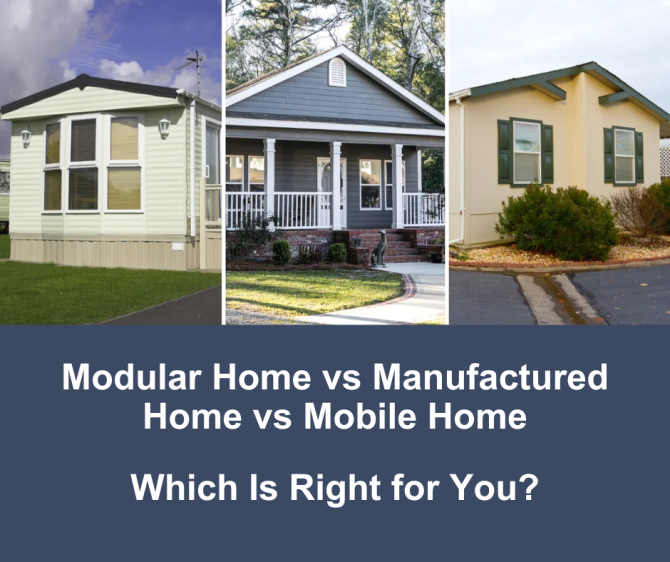
Buying a home today isn’t as simple as choosing between a condo, townhouse, or single-family house. Many homebuyers are now exploring factory-built homes, including modular, manufactured, and mobile homes, due to their affordability, flexibility, and faster build times.
Yet, confusion often arises when comparing modular home vs manufactured home options. Add “mobile homes” and “prefab homes” into the mix, and it becomes even harder to understand what’s what. Before investing, it’s essential to know the differences, costs, and long-term implications of each.
Let’s break it down so you can make a confident, informed decision.
Understanding the Basics of Factory-Built Homes
What Are Factory-Built Homes?
Factory-built homes are residential structures constructed off-site in a controlled manufacturing facility. Unlike traditional houses built entirely on the property, these homes are built in sections or modules, then transported and assembled on the home site.
This process ensures precision, minimizes weather delays, and allows for efficient material use. Once installed, many factory-built homes look identical to site-built houses—but they’re often built faster and at a lower cost.
Why Buyers Choose Factory-Built Options
More buyers are turning to prefab homes for good reason:
-
Affordability: They typically cost less per square foot than site-built homes.
-
Speed: Construction and installation are significantly quicker.
-
Energy Efficiency: Controlled manufacturing environments support tighter insulation and energy-saving systems.
-
Modern Design Flexibility: From open-concept layouts to custom finishes, today’s factory-built homes rival traditional designs in comfort and aesthetics.
What Is a Modular Home?
A modular home is built in multiple sections (“modules”) within a factory and then transported to a permanent foundation for assembly. Once complete, it meets the same local and state building codes as site-built homes, unlike manufactured or mobile homes that follow federal HUD codes.
Modular homes can be designed in nearly any style—colonial, ranch, modern, or craftsman and often have two or more stories. They’re considered real property, meaning they appreciate much like traditional homes.
Pros of Modular Homes
-
Customization: Floor plans, finishes, and features are highly flexible.
-
Quality Control: Built under strict inspection and consistent conditions.
-
Energy Efficiency: Tight construction reduces energy waste.
-
Financing Availability: Qualifies for conventional mortgages and home loans.
Cons of Modular Homes
-
Higher Upfront Costs: Quality and customization increase the initial price.
-
Longer Permitting Timelines: Local building permits can extend the process.
-
Limited Builder Options: Not all regions have experienced modular builders.
When comparing modular homes vs mobile homes, modular homes tend to be more permanent and hold value better, making them an excellent choice for long-term homeowners.
What Is a Manufactured Home?
A manufactured home is constructed entirely in a factory and transported to its final location. These homes are built under the HUD (U.S. Department of Housing and Urban Development) code, which regulates safety, durability, and construction standards.
They come in several sizes: single-wide, double-wide, and triple-wide, and can be placed on either leased land or privately owned property.
Pros of Manufactured Homes
-
Lower Cost: One of the most affordable housing types available.
-
Quick Installation: Move-in ready within weeks.
-
Flexible Sizes: Options range from compact models to spacious multi-section homes.
Cons of Manufactured Homes
-
Depreciation Potential: They may lose value if placed on leased land.
-
Zoning Restrictions: Some neighborhoods limit or restrict placement.
-
Financing Challenges: Loans may differ from traditional mortgages.
When comparing manufactured vs mobile homes, remember that manufactured homes meet modern HUD standards, making them safer, more durable, and more energy-efficient than older mobile homes.
What Is a Mobile Home?
A mobile home refers specifically to factory-built homes constructed before June 15, 1976, when HUD codes took effect. These older homes were often built on metal frames with wheels for transport and were not held to the same building or safety standards as today’s manufactured homes.
Differences Between Mobile and Manufactured Homes
The biggest distinction lies in regulation and safety. After 1976, HUD codes standardized construction, electrical, and energy requirements, vastly improving quality.
So, while “mobile home” is often used interchangeably with “manufactured home,” technically they’re not the same; mobile homes are pre-1976 models, and manufactured homes are the modern, regulated versions.
Key Differences at a Glance
| Feature | Modular Home | Manufactured Home | Mobile Home |
|---|---|---|---|
| Built To Code | Local/state building codes | Federal HUD code | Pre-1976 (no HUD compliance) |
| Foundation | Permanent | Can be permanent or temporary | Typically movable chassis |
| Value Over Time | Appreciates | May depreciate | Often depreciates |
| Customization | High | Moderate | Limited |
| Financing | Conventional mortgage | Chattel or FHA loans | Limited or difficult |
| Build Time | 3–6 months | 1–2 months | Varies |
| Quality & Energy Efficiency | High | Moderate |
Low to moderate
|
Which Home Type Is Right for You?
For Budget-Conscious Buyers → Manufactured Homes
If affordability is your top priority, a manufactured home offers a comfortable and modern living space without breaking the bank. They’re ideal for first-time buyers, retirees, or anyone seeking a low-maintenance lifestyle.
For Customization & Longevity → Modular Homes
Those wanting long-term investment potential and higher-end finishes should consider a modular home. Its permanent foundation and site-built quality make it one of the best-performing types of factory-built homes available.
For Temporary or Vintage Buyers → Mobile Homes
If you prefer a classic or budget-friendly option and don’t mind limited financing, a mobile home may suit your needs—especially if you’re purchasing an older property or living seasonally.
Read also: 20 Best Small Mobile Homes Desired During 2025
Ideal buyer profiles:
-
Manufactured Home: Budget-savvy, quick-move-in buyer.
-
Modular Home: Long-term homeowner seeking customization.
-
Mobile Home: Transitional or vintage housing enthusiast.
Cost Comparison & Financing
When comparing modular home vs manufactured home pricing, it’s clear that cost depends on materials, design, and land ownership.
-
Modular Home Cost: $120–$200 per square foot on average.
-
Manufactured Home Cost: $60–$100 per square foot.
-
Mobile Home Cost: Older models may sell for $20,000–$50,000, depending on condition.
Land vs Home-Only Financing
Modular homes on owned land qualify for traditional mortgages, while manufactured homes on leased lots often use chattel loans (personal property loans).
Tips for Securing Modular Home Financing:
-
Work with lenders experienced in prefab homes.
-
Have a permanent foundation plan ready.
-
Prepare for standard home inspections and appraisals.
Common Misconceptions About Factory-Built Homes
Myth 1: They’re Low Quality
Modern factory-built homes often exceed site-built standards due to rigorous quality checks and precision manufacturing technology.
Myth 2: Hard to Insure or Finance
Both modular and manufactured homes qualify for a range of insurance and loan products—especially when placed on permanent foundations.
Myth 3: Limited Design Options
Today’s prefab homes come with hundreds of layout, material, and finish options. From minimalist modern exteriors to luxury interiors, customization is no longer a limitation.
Choosing the Right Option for You
Choosing between a modular home vs manufactured home vs mobile home depends on your goals, budget, and long-term plans.
If you want lasting value, customization, and quality craftsmanship, a modular home is the clear winner. For affordable and quick housing, a manufactured home offers unbeatable convenience. And if you’re exploring older or temporary housing options, mobile homes still have their niche appeal.
Thinking about a modular or manufactured home? Contact our housing consultants today for a personalized estimate and explore which type of factory-built home best fits your lifestyle.